✴ envíos gratis a Argentina a partir de $80.000 ✴ envíos a toda Argentina y el mundo ✴ ✴ envíos gratis a Argentina a partir de $80.000 ✴ envíos a toda Argentina y el mundo ✴ ✴ envíos gratis a Argentina a partir de $80.000 ✴ envíos a toda Argentina y el mundo ✴ ✴ envíos gratis a Argentina a partir de $80.000 ✴ envíos a toda Argentina y el mundo ✴ ✴ envíos gratis a Argentina a partir de $80.000 ✴ envíos a toda Argentina y el mundo ✴ ✴ envíos gratis a Argentina a partir de $80.000 ✴ envíos a toda Argentina y el mundo ✴ ✴ envíos gratis a Argentina a partir de $80.000 ✴ envíos a toda Argentina y el mundo ✴ ✴ envíos gratis a Argentina a partir de $80.000 ✴ envíos a toda Argentina y el mundo ✴ ✴ envíos gratis a Argentina a partir de $80.000 ✴ envíos a toda Argentina y el mundo ✴ ✴ envíos gratis a Argentina a partir de $80.000 ✴ envíos a toda Argentina y el mundo ✴ ✴ envíos gratis a Argentina a partir de $80.000 ✴ envíos a toda Argentina y el mundo ✴ ✴ envíos gratis a Argentina a partir de $80.000 ✴ envíos a toda Argentina y el mundo ✴ ✴ envíos gratis a Argentina a partir de $80.000 ✴ envíos a toda Argentina y el mundo ✴ ✴ envíos gratis a Argentina a partir de $80.000 ✴ envíos a toda Argentina y el mundo ✴ ✴ envíos gratis a Argentina a partir de $80.000 ✴ envíos a toda Argentina y el mundo ✴ ✴ envíos gratis a Argentina a partir de $80.000 ✴ envíos a toda Argentina y el mundo ✴
$17.15 USD
1 en stock
Entregas para el CP:
Medios de envío
Calcular
No sé mi código postal

Islamic painting

(Pintura Islámica)

Richard Ettinghausen

Metropolitan Museum of Art

1978

En inglés

Tapa blanda, rústica sin solapas

50 páginas

Reproducciones a color y b/n

Impreso en Estados Unidos


✶ ESTADO: 9/10. Excelente estado.

Sin detalles.


Reproducida en esta edición


✶ INTRODUCCIÓN:

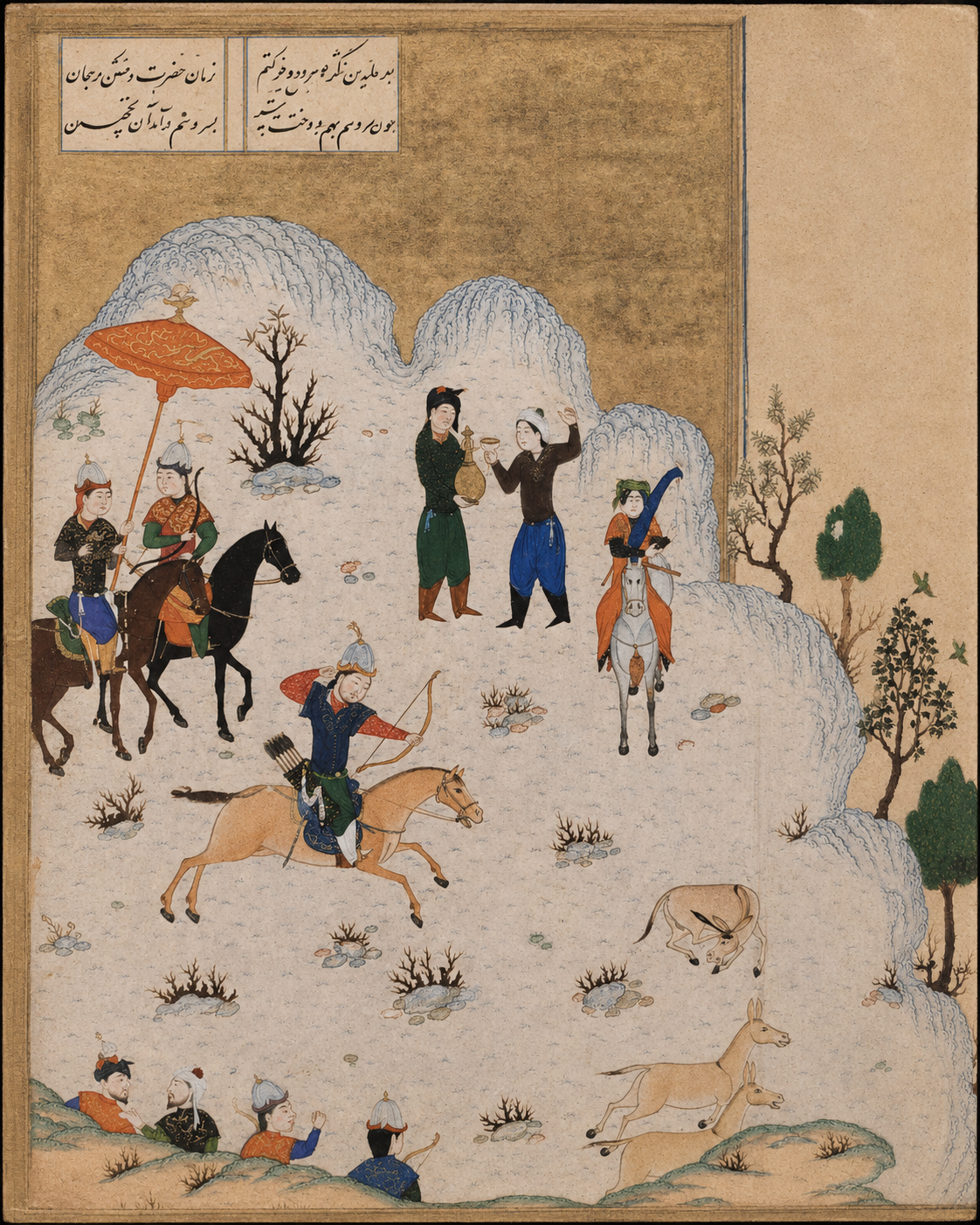
Cualquier persona sensible que visite una exposición de arte islámico quedará encantada por las cosas atractivas que puede ver: alfombras coloridas, cerámica brillante, tallas exquisitas y muchas otras piezas de gran refinamiento. Pero, sin duda, los objetos que resultarán más fascinantes serán las pinturas. No sólo porque los occidentales responden con mayor facilidad a los diseños figurativos que a los patrones abstractos que se encuentran en otras zonas del arte islámico, sino porque sus pigmentos intensos y bien equilibrados, sus paisajes de cuento y sus armonías interiores resultan cautivantes. Lo que tal vez el visitante no sepa es que estas imágenes, en su época, no podían exhibirse públicamente. La religión islámica, estrictamente monoteísta, fundada por el profeta Mahoma en el siglo VII temprano, se oponía a la representación de figuras, y por eso en el mundo islámico hay muy pocas pinturas religiosas y, desde luego, no hay ilustraciones del Corán, el libro sagrado de los musulmanes. Este arte se desarrolló únicamente gracias a la persistencia de una tradición pictórica nativa en Irán y al impacto de influencias de Asia Central, bizantinas, chinas y, finalmente, europeas, principalmente para deleitar a los gobernantes y a sus cortesanos en la privacidad de sus palacios.

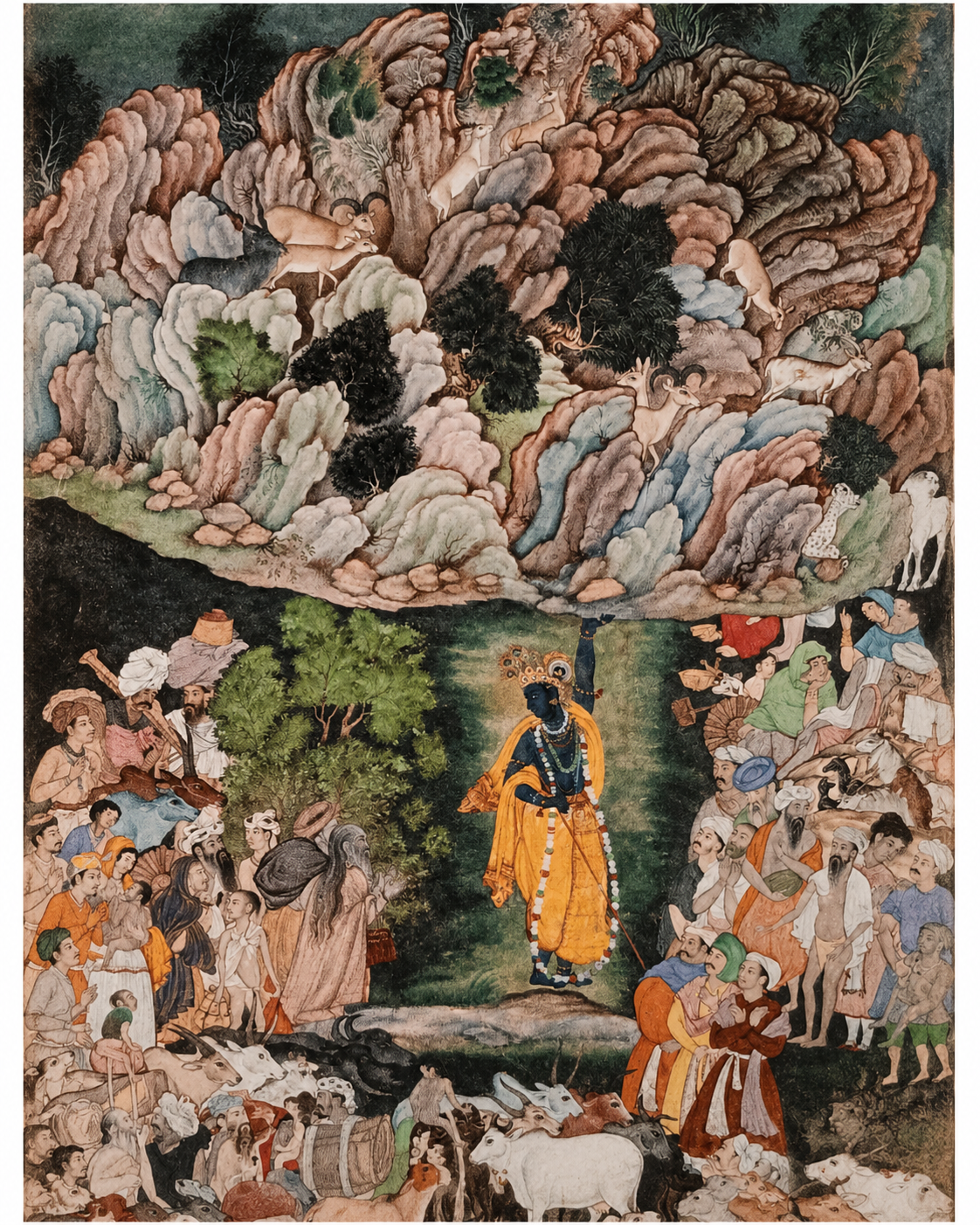
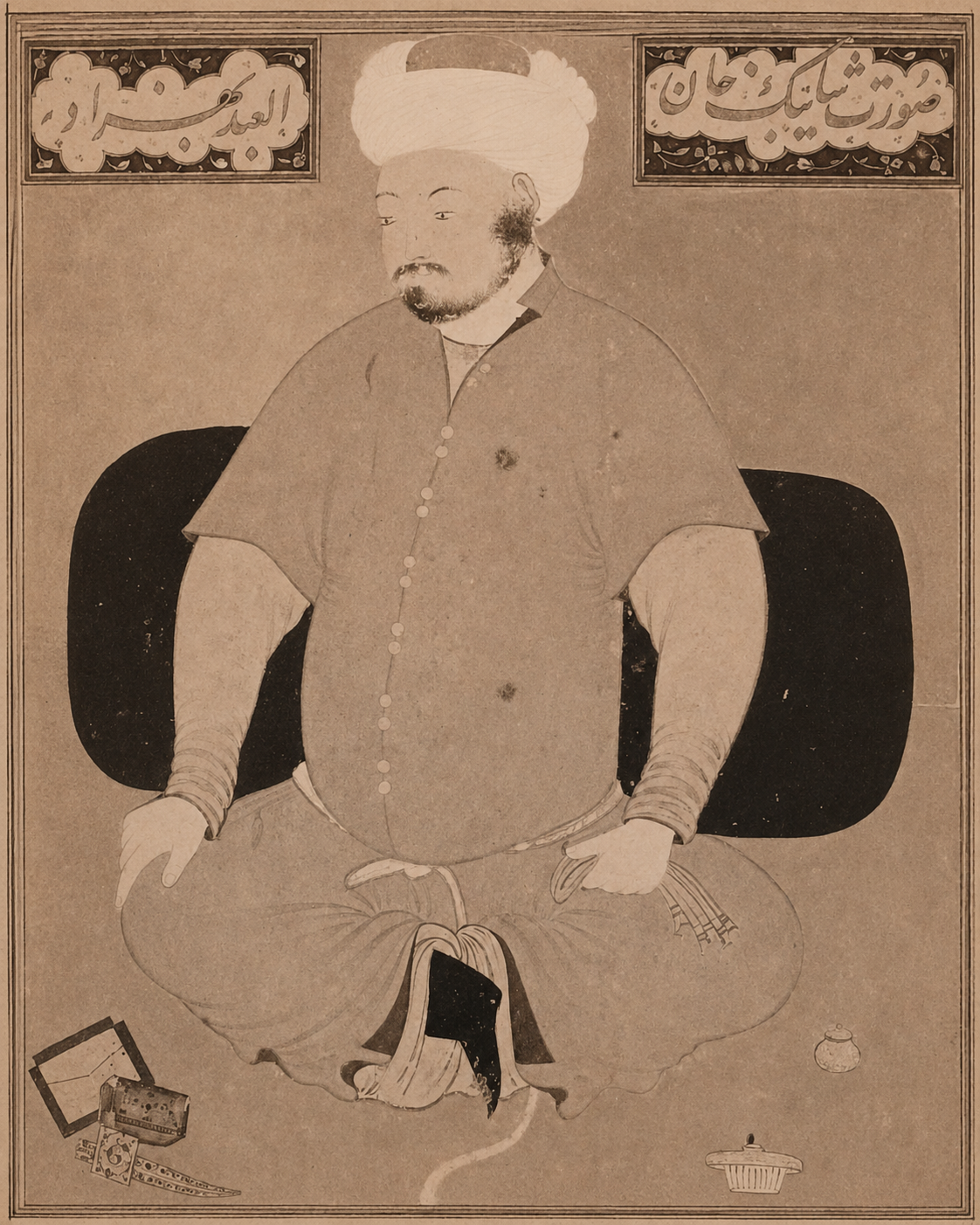
El arte islámico fue creado en la vasta zona comprendida entre Marruecos y España, en Occidente, y Asia Central e India, y más allá, en Oriente. Cronológicamente abarca el período que va aproximadamente del año 700 a los siglos XVIII y XIX, cuando las influencias europeas lo modificaron profundamente. Una visión general de la pintura islámica como esta subrayará las enormes diferencias regionales en el arte de los principales países, Iraq, Egipto, Siria, Irán, India y Turquía, y mostrará los cambios en los estilos sucesivos de cada uno. También presentará una gran variedad de temas: están los diseños diagramáticos de los siglos XII al XIV y, a partir de fines del siglo XIII, una abundancia de pinturas de carácter más narrativo, que ilustran epopeyas, romances e historias; desde alrededor de 1450, se realizaron imágenes individuales de una o más figuras para álbumes. También revelará que, a pesar de esta variedad, existieron ciertos rasgos estilísticos constantes. El primer elemento recurrente fue la bidimensionalidad del diseño, que generalmente impedía la representación de la cualidad corpórea de las figuras, la perspectiva arquitectónica estricta y una representación atmosférica del paisaje. En segundo lugar, desde mediados del siglo XIV aproximadamente, las escenas se crearon con un punto de vista alto y un horizonte elevado; en lugar de retroceder en profundidad, los primeros planos, planos medios y fondos se disponían verticalmente para coincidir con el plano de la imagen; estar alto en la pintura significaba una ubicación lejana. Un tercer elemento fue el uso de colores puros y opacos en toda la pintura, sin atenuar los pigmentos para indicar distancia o efectos de luz, como la oscuridad o la noche. Sólo cuando las convenciones pictóricas occidentales llegaron a Oriente cambiaron estos cánones clásicos: primero en Turquía, a fines del siglo XV; después en India, a fines del XVI; y finalmente en Irán, de manera intermitente a mediados del XVII y con más decisión hacia fines del XVIII, cuando la pintura al óleo sobre tela y las acuarelas reemplazaron a la témpera tradicional sobre papel.

La mayoría de las pinturas islámicas eran ilustraciones de libros, y lo que preocupaba al artista era la coordinación de la miniatura con el texto y, ocasionalmente, la decoración de los márgenes. A veces el pintor era también el escriba, pero en muchos casos, particularmente en los talleres reales, los manuscritos eran el esfuerzo conjunto de calígrafos, pintores, doradores y decoradores de márgenes. De las primeras imágenes, pocas están firmadas; su número aumentó en Irán desde fines del siglo XV y en India desde fines del XVI. Sin embargo, las personalidades de los artistas permanecen oscuras, y en el mejor de los casos sabemos dónde vivieron, para quiénes trabajaron y, a veces, sus cualidades particulares o sus rarezas. Con muy pocas excepciones, debido a prejuicios religiosos y sociales, fueron considerados simples artesanos antes que artistas creativos en el sentido occidental. Pero sabemos más de ellos y sobre ellos que de los alfareros, tallistas, fabricantes de alfombras y metalúrgicos del mundo islámico. Gracias a su capacidad para imitar la naturaleza, debieron de haber alcanzado un mayor reconocimiento en la sociedad. Sin embargo, los calígrafos, a quienes a menudo se convocaba para transcribir el Corán, siempre fueron más apreciados que los pintores.


Any thoughtful person visiting an exhibition of Islamic art will be enchanted by the appealing things to be seen: colorful carpets, shiny pottery, exquisite carvings, and many other pieces of great refinement. But doubtless the objects that will prove the most fascinating will be the paintings. Not only do Westerners respond more readily to figural designs than to the abstract patterns found elsewhere in Islamic art, but their strong, well-balanced pigments, fairytale landscapes, and inner harmonies will all be enthralling. What the visitor may not know is that these pictures in their day could not be displayed publicly. The strictly monotheistic Islamic religion founded by the Prophet Muhammad in the early 7th century militated against the making of figures, and in the Islamic world there are therefore very few religious paintings, and, of course, no illustrations of the Koran, the holy book of the Muslims. It was only owing to the persistence of a native pictorial tradition in Iran and the impact of Central Asian, Byzantine, Chinese and, eventually, European influences that this art developed, primarily to delight rulers and their courtiers in the privacy of their palaces.

Islamic art was created in the vast area between Morocco and Spain in the West, and Central Asia and India, and beyond, in the East. Chronologically it covers the period from about 700 to the 18th and 19th centuries, when European influences greatly changed it. Any overall view of Islamic painting such as this will underline the tremendous regional differences in the art of the major countries—Iraq, Egypt, Syria, Iran, India, and Turkey—and will bring out the changes in the successive styles in each. It will also present a great variety of subjects: there are the diagrammatic designs of the 12th to the 14th centuries, and, starting in the late 13th, an abundance of paintings of a more narrative character, illustrating epics, romances, and histories; from about 1450 on individual pictures of one or more figures were made for albums. It will also reveal that in spite of this variety there were certain constant stylistic features. The first recurring element was the two-dimensionality of the design, which generally precluded the representation of the corporeal quality of figures, strict architectural perspective, and an atmospheric rendering of landscape. Secondly, from about the mid-14th century scenes were created with a high viewpoint and high horizon; instead of receding in depth, the fore-, middle-, and backgrounds were turned vertically to coincide with the picture plane; high up in the picture meant a location far back. A third element was the use of pure opaque colors throughout the painting, with no toning down of pigments to indicate distance or lighting effects such as darkness or night. Only when Western pictorial conventions came to the East did these classical canons change: first in Turkey at the end of the 15th century; then in India in the late 16th; and finally in Iran, intermittently in the mid-17th and more decidedly by the late 18th, when oil painting on cloth and watercolors superseded the traditional tempera on paper.

Most Islamic paintings were book illustrations, and of concern to the artist were the coordination of miniature and text and occasionally the decoration of the margins. Sometimes the painter was also the scribe, but in many instances, particularly in royal studios, manuscripts were the combined effort of calligraphers, painters, gilders, and margin decorators. Of the early pictures, few are signed; their numbers increased in Iran from the end of the 15th century and in India from the end of the 16th. The personalities of the artists remain obscure, however, and at best we know where they lived, for whom they worked, and sometimes their special qualities or foibles. With very few exceptions, they were regarded, due to religious and social prejudice, as mere artisans rather than creative artists in the Western sense. But we know more of them and about them than we do of the potters, carvers, carpet makers, and metalworkers of the Islamic world. Because of their ability to imitate nature, they must have gained greater recognition in society. However, calligraphers, who were often called upon to transcribe the Koran, were always more highly regarded than painters.


✶ INDICE:

- Introduction

1- Arab painting

2- Persian painting

3- Indian painting

4- Turkish painting


Reproducida en esta edición