✴ envíos gratis a Argentina a partir de $80.000 ✴ envíos a toda Argentina y el mundo ✴ ✴ envíos gratis a Argentina a partir de $80.000 ✴ envíos a toda Argentina y el mundo ✴ ✴ envíos gratis a Argentina a partir de $80.000 ✴ envíos a toda Argentina y el mundo ✴ ✴ envíos gratis a Argentina a partir de $80.000 ✴ envíos a toda Argentina y el mundo ✴ ✴ envíos gratis a Argentina a partir de $80.000 ✴ envíos a toda Argentina y el mundo ✴ ✴ envíos gratis a Argentina a partir de $80.000 ✴ envíos a toda Argentina y el mundo ✴ ✴ envíos gratis a Argentina a partir de $80.000 ✴ envíos a toda Argentina y el mundo ✴ ✴ envíos gratis a Argentina a partir de $80.000 ✴ envíos a toda Argentina y el mundo ✴ ✴ envíos gratis a Argentina a partir de $80.000 ✴ envíos a toda Argentina y el mundo ✴ ✴ envíos gratis a Argentina a partir de $80.000 ✴ envíos a toda Argentina y el mundo ✴ ✴ envíos gratis a Argentina a partir de $80.000 ✴ envíos a toda Argentina y el mundo ✴ ✴ envíos gratis a Argentina a partir de $80.000 ✴ envíos a toda Argentina y el mundo ✴ ✴ envíos gratis a Argentina a partir de $80.000 ✴ envíos a toda Argentina y el mundo ✴ ✴ envíos gratis a Argentina a partir de $80.000 ✴ envíos a toda Argentina y el mundo ✴ ✴ envíos gratis a Argentina a partir de $80.000 ✴ envíos a toda Argentina y el mundo ✴ ✴ envíos gratis a Argentina a partir de $80.000 ✴ envíos a toda Argentina y el mundo ✴
Envío gratis
$50.000,00
10% de descuento pagando con Transferencia
Ver más detalles
Envío gratis superando los $80.000,00
1 en stock

Minimal and Conceptual Art from the Collection of the Gilman Papep Company

(Arte minimalista y conceptual de la colección de la Gilman Paper Company)
Catálogo de subasta

Editorial Christie´s New York

Colección May 5 - 1987 05-05-1987

1987

En inglés

Tapa blanda, rústica sin solapas

69 páginas

Catálogo de Subasta. Numerosas fotografías a color

Impreso en Nueva York (Estados Unidos)


✶ ESTADO: 9/10. Impecable estado.

Sin detalles.


✶ SINOPSIS:

La Gilman Paper Company inició su colección de Arte Contemporáneo en 1975 y, salvo muy pocas excepciones, la completó en 1977. Las pinturas, esculturas, dibujos y fotografías adquiridos por la compañía datan de 1962 a 1975, un período marcado en Estados Unidos por la lucha por los derechos civiles y la tragedia en curso de la guerra de Vietnam. Estas obras, en su búsqueda obstinada de una forma más pura de arte, corren en paralelo al idealismo de una generación que cuestionó el entramado aceptado de la sociedad y se rebeló contra las consecuencias de sus políticas. Sólo el arte ruso de los años previos y simultáneos a la gran conmoción de la Revolución revela un clima similar de idealismo febril. No es casual que estos artistas estadounidenses redescubrieran la obra de los suprematistas y constructivistas rusos, ni que ese interés se convirtiera en un factor decisivo para su reciente revalorización.

La colección Gilman fue concebida como una instantánea de este episodio extraordinario de la historia del arte moderno. No aspiró a ofrecer un panorama totalizador, pero sí se ocupó de aquellas obras que, bajo formas diversas, despertaban la curiosidad del intelecto. La selección buscó dar a esas obras un contexto histórico que volviera más comprensible su aparición particular. Además, la colección pronto se convertiría en el centro de un tríptico, al unirse con un amplio grupo de dibujos arquitectónicos utópicos y con un exhaustivo recorrido histórico por la fotografía. En conjunto, las tres colecciones estaban pensadas como un mapa de las preocupaciones visuales predominantes de la época.

El severo dogma del Minimalismo dominó el arte de los años sesenta y su legado influyó en buena parte del arte que vino después. El impulso reductivo anunciado por las pinturas negro sobre negro de Ad Reinhardt fue continuado con un rigor austero en la obra de Carl André, Dan Flavin, Donald Judd, Robert Mangold, Brice Marden, Agnes Martin, Robert Ryman y Frank Stella, todos representados en la colección Gilman por obras importantes. En manos de Ellsworth Kelly, Jo Baer, Richard Tuttle, Eva Hesse y Cy Twombly, la severidad del estilo fue templada por un lirismo individual, o por el humor en el caso de Bruce Nauman. Los conceptos de masa, peso, escala y lugar fueron reexaminados en la escultura de Richard Serra, Michael Heizer, Robert Morris y Claes Oldenburg. La percepción del espacio fue alterada de manera radical en los ambientes creados por artistas de la Costa Oeste como Robert Irwin. Al expandir los límites de su medio y cuestionar al mismo tiempo el estatuto del arte como objeto coleccionable, artistas como Michael Heizer, Robert Morris, Walter De Maria y Richard Long encontraron en el paisaje nuevos materiales y un nuevo espacio. A través de dibujos, mapas y fotografías, las principales obras de land art del período, Double Negative de Michael Heizer, Spiral Jetty de Robert Smithson y Observatory de Robert Morris, ocupan un lugar destacado en la colección.

El arte de fines de los años sesenta y comienzos de los setenta propuso una nueva relación entre forma y contenido. Los programas y procedimientos cuyas aplicaciones sistemáticas generan la forma visible cumplen un papel importante en la obra de Chuck Close. Están en el centro de la actividad de Sol LeWitt y son una parte intrincada de la obra de Mel Bochner, Barry Le Va y Dorothea Rockburne. Los proyectos de estos artistas solían introducir como componente esencial el contexto físico en el que debían ejecutarse. Las obras, sin embargo, no quedaban de ningún modo atadas a su ubicación. En las piezas de instalación creadas en las oficinas de Gilman por Rockburne y LeWitt, la pared de apoyo se convirtió en parte integral de la obra, cuya apariencia podía cambiar si era recreada en otro entorno.

La neutralidad del medio fotográfico atrajo a artistas que evitaban cualquier rastro de interferencia personal en los objetos que producían. Pintores y escultores usaron la fotografía desde su invención en 1839, pero rara vez reconocieron su importancia. En el arte de los años setenta, las fotografías aparecen sin disfraz como medios legítimos para que artistas que no eran fotógrafos investiguen la realidad. Las imágenes fotográficas ampliaron el registro formal de artistas como Hilla y Bernd Becher, Gilbert and George, Jan Dibbets y Ger van Elk. Como permiten una mayor disociación entre forma y contenido, las fotografías se usan para documentar un proyecto como Museum on a Deserted Island in the Rhine, de Marcel Broodthaers, o actividades tan diversas como las de Douglas Huebler, Vito Acconci y Hamish Fulton.

Al profundizar todavía más la desmaterialización del objeto artístico, Hans Haacke convirtió su conciencia sociopolítica en el eje de su actividad artística. Para 1976, las nuevas actitudes transmitidas en las artes visuales, la danza, el teatro y la música se integraron en la trama de la ópera Einstein on the Beach, de Robert Wilson y Philip Glass. Esa producción dio a las aspiraciones estéticas de todo el período su expresión más conmovedora.

Con la perspectiva que da el tiempo, ahora resulta evidente que las obras reunidas por la Gilman Paper Company, a menudo designadas bajo la terminología alguna vez radical de Minimalismo, Conceptualismo, Process Art y Land Art, forman parte de la tradición central del modernismo. Estas obras, y otras similares, todavía constituyen de hecho su avance más desarrollado, y su posición en la frontera más extrema permanece indiscutida. Realizado hace unos diez o veinte años, este arte no perdió nada de su potencia polémica. Señala una marca alta en la expresión de nuestra cultura. Este arte habla con elocuencia de los valores que proyectó sobre nuestro pasado reciente, un pasado que ante nuestros propios ojos se reorganiza rápidamente como historia.

Pierre Apraxine

Curador, Gilman Paper Company Collection

Nueva York, marzo de 1987


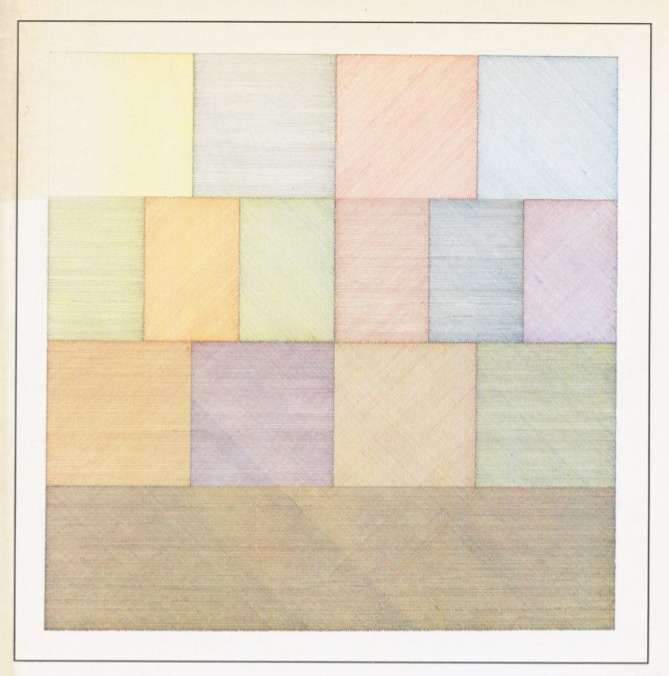
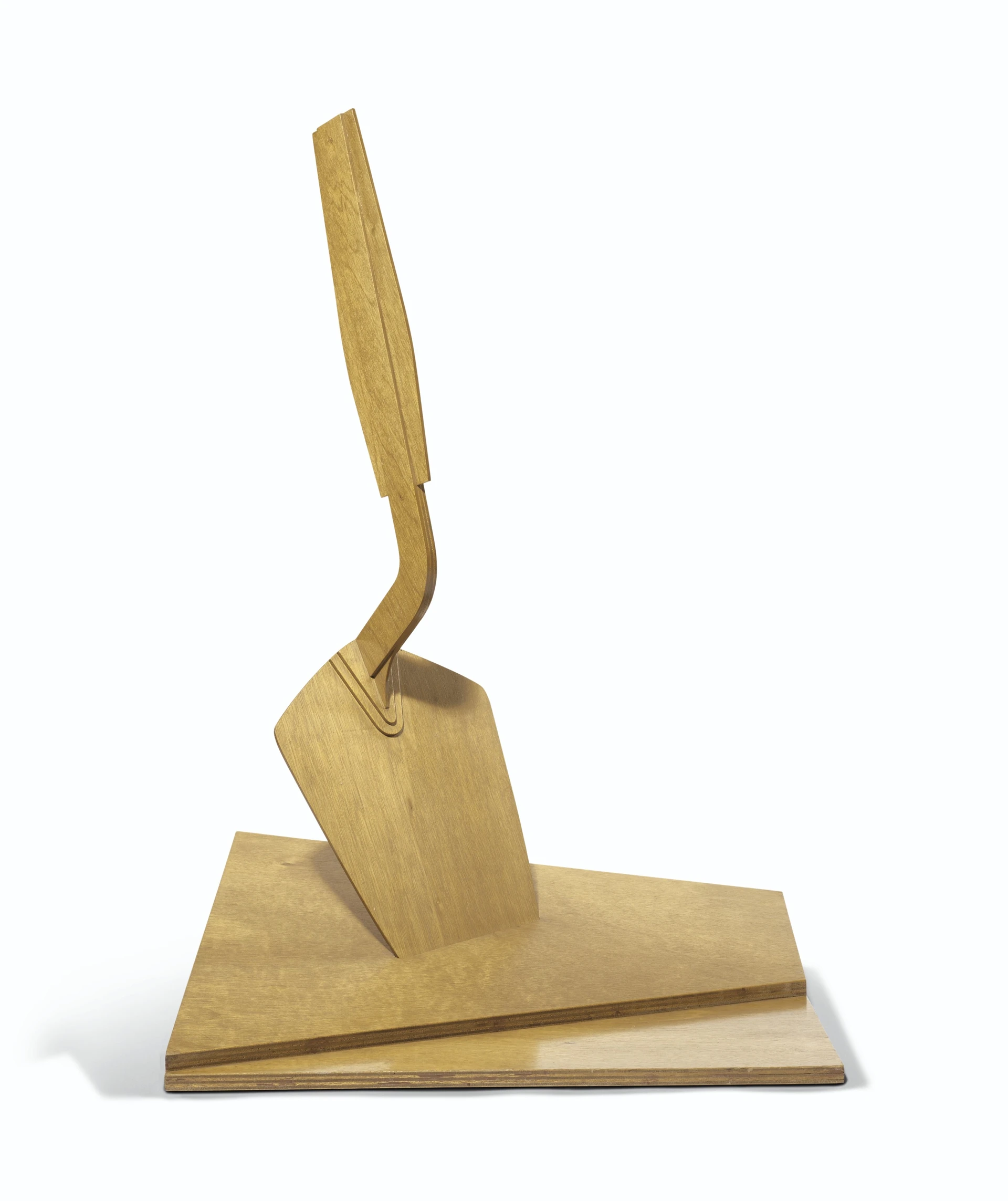
Reproducida en este catálogo


INTRODUCTION

The Gilman Paper Company launched its collection of Contemporary Art in 1975, and with very few exceptions, completed it by 1977. The paintings, sculpture, drawings, and photographs acquired by the company date from 1962 to 1975, a period characterized in America by the struggle for civil rights and the unfolding tragedy of the Vietnam War. These works parallel in their singleminded search for a purer form of art the idealism of a generation which questioned the accepted fabric of society and revolted against the consequences of its policies. Only Russian art in the years preceding and accompanying the great upheaval of the Revolution reveals a similar climate of feverish idealism. It is no coincidence that these American artists rediscovered the work of the Russian Suprematists and Constructivists and that their interest was to be a major factor in its recent re-evaluation.

The Gilman collection was conceived as a snapshot of this extraordinary episode in modern art history. It did not aim to provide an all inclusive panorama, but did concern itself with those works which under diverse guises engaged the curiosity of the intellect. The selection attempted to give these works an historical context which would make their particular appearance more understandable. Furthermore, the collection was soon to become the centerpiece of a triptych, when joined by a large group of utopian architectural drawings, and an exhaustive historical survey of photography. Together, the three collections were meant to act as a map to the prevailing visual concerns of the times.

The severe dogma of Minimalism dominated the art of the sixties and its legacy informed much of the art that followed. The reductive impulse heralded by the black on black paintings of Ad Reinhardt was carried on with an austere rigor in the work of Carl André, Dan Flavin, Donald Judd, Robert Mangold, Brice Marden, Agnes Martin, Robert Ryman, and Frank Stella, all represented in the Gilman collection by major works. At the hands of Ellsworth Kelly, Jo Baer, Richard Tuttle, Eva Hesse, and Cy Twombly, the severity of the style was tempered by individual lyricism, or by humor in the case of Bruce Nauman. The concepts of mass, weight, scale, and place were re-examined in the sculpture of Richard Serra, Michael Heizer, Robert Morris, and Claes Oldenburg. The perception of space was radically altered in the environments created by West Coast artists such as Robert Irwin. Expanding the boundaries of their medium while challenging the status of art as a collectible object, artists like Michael Heizer, Robert Morris, Walter De Maria, and Richard Long found in the landscape new materials and new space. Through drawings, maps, and photographs the major land works of the period, Michael Heizer’s Double Negative, Robert Smithson’s Spiral Jetty, and Robert Morris’ Observatory, figure prominently in the collection.

The art of the late sixties and early seventies proposed a new relationship between form and content. Programs and procedures whose systematic applications generate the visible shape play an important role in Chuck Close’s work. They are at the core of Sol LeWitt’s activity and are an intricate part of the work of Mel Bochner, Barry Le Va, and Dorothea Rockburne. The projects of these artists often introduced as an essential component the physical context in which they were to be executed. The works were, however, in no way bound to their location. In the installation pieces created in the Gilman offices by Rockburne and LeWitt, the supporting wall became an integral part of the work whose appearance could change if it were recreated in another setting.

The neutrality of the photographic medium attracted artists who shunned any traces of personal interference in the objects they fashioned. Painters and sculptors have used photography since its invention in 1839 but have seldom acknowledged its significance. In the art of the seventies, photographs appear undisguised as legitimate means for artists who were not photographers to investigate reality. Photographic images extended the formal range of artists such as Hilla and Bernd Becher, Gilbert and George, Jan Dibbets, and Ger van Elk. Because they allow a further dissociation of form and content, photographs are used to document a project like Marcel Broodthaers’ Museum on a Deserted Island in the Rhine, or activities as diverse as those of Douglas Huebler, Vito Acconci, and Hamish Fulton.

Probing further the disembodiment of the art object, Hans Haacke made his sociopolitical consciousness the focus of his artistic activity. By 1976 the new attitudes conveyed in the visual arts, dance, theatre, and music were integrated in the fabric of the opera Einstein on the Beach by Robert Wilson and Philip Glass. This production gave to the aesthetic aspirations of the entire period its most moving expression.

With the benefit of hindsight, it is now evident that the works assembled by the Gilman Paper Company, and often designated under the once radical terminology of Minimalism, Conceptualism, Process and Land Art, are part of the mainstream tradition of modernism. These and similar works still constitute in fact its most advanced thrust, and their position at its furthermost frontier remains unchallenged. Made some ten or twenty years ago, this art has not lost any of its polemical power. It signals a high watermark in the expression of our culture. This art speaks eloquently of the values it has projected onto our recent past, a past which under our very eyes quickly reorganizes itself into history.

Pierre Apraxine

Curator, Gilman Paper Company Collection

New York, March 1987


✶ INDICE:

Acconci, V.

Andre, C.

Baer, J.

Becher, B. and H.

Bochner, M.

Broodthaers, M.

Close, C.

de Maria, W.

Dibbets, J.

Flavin, D.

Fulton, H.

Gilbert and George

Haacke, H.

Heizer, M.

Hesse, E.

Huebler, D.

Irwin, R.

Judd, D.

Kelly, E.

Le Va, B.

LeWitt, S.

Long, R.

Mangold, R.

Marden, B.

Martin, A.

Morris, R.

Nauman, B.

Oldenburg, C.

Reinhardt, A.

Rockburne, D.

Ryman, R.

Serra, R.

Smithson, R.

Stella, F.

Tuttle, R.

Twombly, C.

Van Elk, G.

Wilson, R


Reproducida en este catálogo